Art history has a marketing problem. The paintings are gorgeous, the gossip is unhinged, and somehow the standard way to talk about it is a wall label written like a tax form.

Part of that is on purpose. For centuries, art has been talked about in a way that keeps most people out, like you need a degree, a museum membership, and a specific vocabulary just to be allowed an opinion on a painting. We don’t buy that. A 400-year-old painting was made by a person, for other people, and whatever it’s about (vanity, grief, power, a beloved pet duck), it’s about something anyone can recognize on sight. The gate was never supposed to be there.
Rembrandt painted himself sixty-some times, at every age, in every mood, sometimes dressed as a beggar and sometimes dressed like he owned the place. Louis XIV commissioned a portrait of his own legs. A cardinal once sat for a painting with what may or may not have been a very judgmental parrot. These are wild stories, told badly.
So Arts Unhinged does the joke first. Every piece starts from whatever is actually funny or absurd about the work, and lets that carry the piece. But the comedy is a delivery mechanism, and the joke only works if the fact underneath it holds. Every punchline sits on a claim we checked against a real source.
Not every piece stays there. Sometimes a portrait is doing something heavier: a painter grappling with mortality, or a king quietly rewriting how he wanted to be remembered. Some pieces went further still: they nudged what an entire century thought painting could do, and we’re standing in the fallout of that shift centuries later. We go there when the work calls for it. The point isn’t to keep things light. It’s to give a painting, or the person who made it, enough context that you actually feel something standing in front of it.
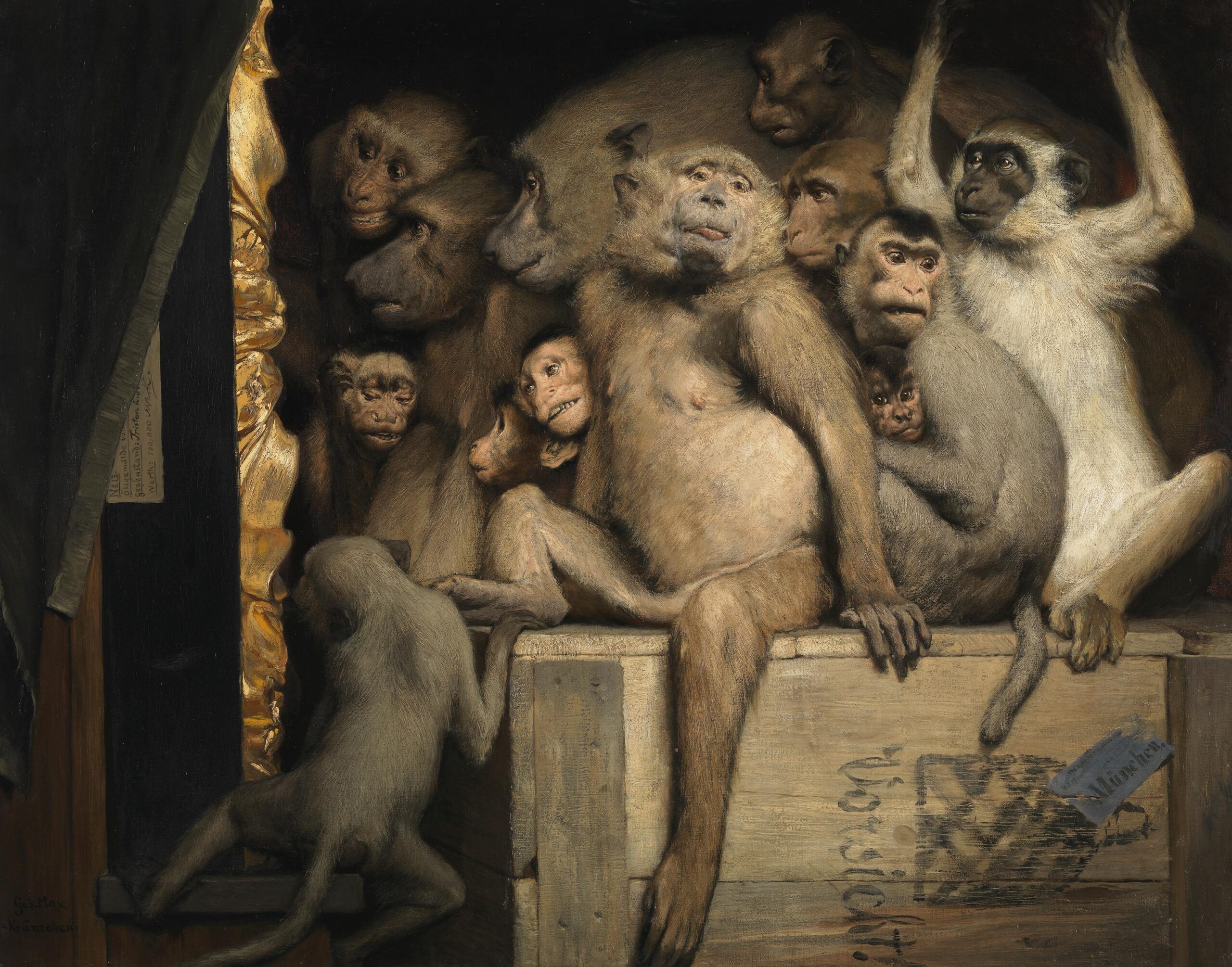
Whether a piece stays light or goes heavier, the same rule sits underneath it. We separate what’s documented from what’s widely argued from what’s just our own reading of a picture, and we say which is which. When two sources disagree, we say that too, instead of quietly picking the version that fits the narrative better. It’s more work, but it is also the whole point: give the reader enough context to trust the story and still enjoy the drama.
Old art doesn’t need us to make a case for it. It’s already telling you something true about grief, ambition, or vanity, if someone hands you context instead of a wall label. The artist is long gone. The conversation isn’t.